A LIFETIME OF BELONGINGS
November 25, 2026
Life Transitions & Downsizing

November 25, 2026
Life Transitions & Downsizing
A home holds more than furniture.
It holds the dining table where you celebrated holidays. The photographs tucked into drawers. The books collected over decades. The artwork chosen during travels, and the everyday objects that quietly became part of a family's story.
When the time comes to move, downsize, or prepare a longtime family property for sale, deciding what to do with those belongings can be one of the most emotional parts of the process.
And often, one of the most overwhelming.
For some, the transition follows a carefully considered decision to simplify life. For others, it comes after a change in health, the loss of a loved one, or the responsibility of managing a family estate.
Whatever the circumstances, the process deserves more than a checklist.
It deserves time, organization, and an approach that respects both the practical decisions and the memories behind them.
The challenge of downsizing isn't always the number of belongings.
It's what those belongings represent.
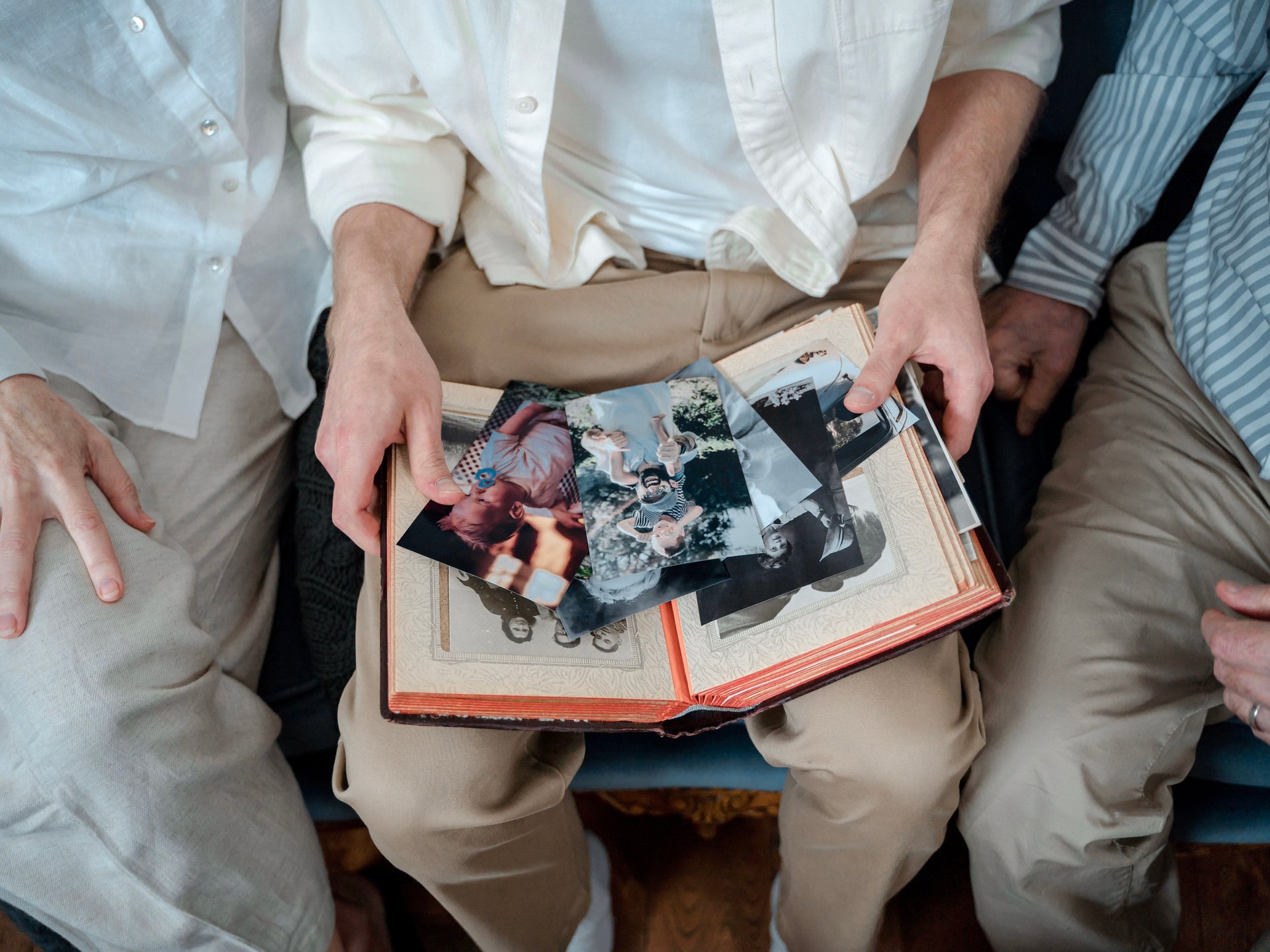
A collection of dishes might remind someone of family celebrations. A piece of furniture may have belonged to a parent or grandparent. Even ordinary household items can carry memories that make them surprisingly difficult to part with.
And when a home has been occupied for decades, those decisions multiply.
Closets, garages, storage rooms, and cabinets can contain years of accumulated possessions, many of which haven't been considered in a long time.
It's easy to underestimate how much time and emotional energy the process may require.
That's why approaching a transition with patience matters.
Rather than focusing immediately on what needs to go, it can help to begin by identifying what is most meaningful, useful, or important to preserve.
The goal isn't to erase a home's history.
It's to decide which parts of that history should continue into the next chapter.
One of the most useful questions to ask during a home transition is:
What will life look like in the next home?
The answer can clarify decisions that otherwise feel overwhelming.
A smaller residence may have fewer bedrooms, less storage, or a different furniture arrangement.
A move closer to family might change which belongings are practical to keep.
A transition into a senior living community may require a more selective approach to furniture and household items.
Before you begin sorting, consider the space, lifestyle, and needs of the next destination.
If possible, review floor plans, measurements, and available storage.
Identify which furniture pieces will fit comfortably and which items will support daily routines.
This creates a more thoughtful framework for decision-making.
Instead of asking only whether something has sentimental value, you can also ask whether it has a place in the life you're creating.
A home transition is easier to manage when you organize decisions into clear categories.
Instead of moving from room to room without a plan, create a system that helps everyone understand what happens next.
Keep: Items that will move to the next residence or remain with the owner.
Share with family: Heirlooms, photographs, collections, or meaningful objects that relatives may wish to preserve.
Donate: Clothing, household goods, furniture, and other usable belongings that can benefit someone else.
Sell: Items with resale value, including selected furniture, artwork, antiques, or collections.
Recycle or dispose: Items that are damaged, unusable, or unsuitable for donation.
Review later: A limited category for decisions that genuinely require more time or information.
The final category can be helpful, but it's important to use it selectively.
Otherwise, a temporary holding area can become another room full of unresolved decisions.
Labeling boxes, keeping an inventory of valuable items, and documenting decisions can also help prevent confusion, especially when several family members are involved.
A home transition may involve more than one person's memories and expectations.
Adult children may feel attached to childhood belongings.
Siblings may have different ideas about what to preserve.
A parent may want to keep items that family members believe are no longer practical.
When an estate is involved, legal or administrative responsibilities may affect how belongings can be handled.
These situations benefit from clear communication and a respectful process.
Whenever possible, discuss expectations before sorting begins.
Determine who has authority to make decisions, who needs to be consulted, and how to address disagreements.
For estate or trust properties, the appropriate executor, trustee, or other authorized representative should guide decisions involving ownership and distribution, with advice from qualified legal professionals when needed.
Not every disagreement can be avoided.
But having a clear process can reduce misunderstandings and help everyone focus on the larger goal.
One of the most common challenges in a major home transition is underestimating the amount of work involved.
A home that appears relatively organized may still contain decades of possessions in closets, garages, attics, storage cabinets, and outdoor areas.
Sorting is only one part of the process.
Items may need to be photographed, inventoried, appraised, transported, donated, sold, recycled, or disposed of.
Furniture may need to be moved before repairs or improvements can begin.
And if the property will be listed for sale, those activities may need to be coordinated with cleaning, maintenance, photography, and marketing preparations.
A realistic timeline helps prevent the process from becoming unnecessarily stressful.
Consider dividing the work into manageable phases:
Planning: Identify priorities, responsibilities, deadlines, and available resources.
Sorting: Review belongings systematically, beginning with less emotionally difficult areas.
Distribution: Coordinate family pickups, donations, sales, and other arrangements.
Property preparation: Address cleaning, maintenance, and presentation needs.
Final review: Confirm that belongings and documents have been handled appropriately before the property changes hands.
The timeline will vary depending on the size of the property, the number of belongings, and the circumstances of the transition.
What matters is building a plan that reflects the actual work involved.
Some transitions can be managed primarily by family members.
Others benefit significantly from outside support.
A professional organizer may help create a sorting system and guide the process.
An estate-sale specialist may help evaluate and sell appropriate household contents.
Appraisers can help assess selected items when you need a professional valuation.
Movers, donation services, cleaning professionals, contractors, and other specialists may also become involved.
The challenge isn't necessarily finding someone to do each task.
It's about understanding which services you need, in what order, and how the pieces fit together.
For example, scheduling professional photography before furniture removal or property repairs are complete may create unnecessary complications.
Similarly, arranging a move before confirming which items will fit in the next residence can create extra work.
Thoughtful coordination can help keep the transition organized while allowing family members to focus on the decisions that matter most.
Once you've sorted and distributed belongings, attention often turns to the property itself.
For a home that has been occupied for many years, preparing it for sale may involve more than removing personal items.
You may need to address deferred maintenance, refresh landscaping, or repair and clean rooms.
In some cases, a property may benefit from staging or selected cosmetic improvements.
In others, preserving its existing character while presenting it clearly may be the better strategy.
The right approach depends on the home's condition, location, likely buyer audience, and current market conditions.
This is where real estate planning and transition coordination begin to overlap.
Decisions about belongings, repairs, presentation, and marketing are often connected.
Understanding those relationships early can help avoid unnecessary expenses and delays.
For families managing a longtime home in Santa Barbara or Montecito, having a coordinated plan can make a complex process more manageable.
One of the most meaningful parts of a home transition is finding ways to preserve family history without feeling obligated to keep everything.
Sometimes that means selecting a few treasured pieces rather than an entire collection.
Photographing meaningful objects before donating or selling them.
Creating a digital archive of family photographs.
Writing down the stories behind heirlooms.
Or passing a special piece to someone who will continue using and appreciating it.
A family may decide that the most meaningful part of a dining table isn't the table itself, but the memories of everyone who gathered around it.
Those memories can remain even when the furniture finds a new home.
No universal rule exists for deciding what to keep.
But it can help to remember that letting go of an object doesn't mean letting go of the experiences tied to it.
Every property transition has its own circumstances.
Some are planned years in advance. Others happen unexpectedly. Some involve one homeowner making a personal decision, while others require coordination among family members, trustees, executors, and outside professionals.
What they share is the need for a thoughtful process.
At REQUISITE Luxury Properties, our approach to real estate transitions extends beyond the traditional steps of preparing, marketing, and selling a property.
Lisa McCann and Lynda Elliott genuinely enjoy helping clients and their families navigate these important life changes. Over the years, they've developed relationships with trusted local professionals who can assist with everything from organizing and moving to estate sales and property preparation.
They're always happy to share these resources and help clients connect with the right professionals for their individual needs.
Whether the transition involves downsizing, preparing a longtime family home for sale, or managing a property through an estate, we aim to bring organization, clarity, and care to the real estate process.
Moving forward doesn't mean leaving everything behind.
Sometimes it simply means making room for what comes next.
Explore our Real Estate Transition Services to learn more about how we can help.
Begin by understanding the space and lifestyle of the next residence. Then create a manageable sorting plan, identify meaningful belongings, and organize items into categories such as keep, share, donate, sell, and dispose.
Consider keeping a curated selection of meaningful items, sharing heirlooms with family members, photographing objects, or preserving the stories associated with them. The goal is to retain what matters most without feeling obligated to keep everything.
The timeline depends on the property's size, the volume of belongings, family involvement, and whether the estate needs administration or the property needs preparation. Homes with decades of accumulated possessions may require several weeks or longer to organize appropriately.
A professional organizer can help when belongings are extensive, timelines are limited, or family members need help creating a manageable process. Other specialists, such as movers or estate-sale professionals, may also be appropriate.
Begin by confirming who has authority to make decisions about the property and its contents. Then assess the home's condition, identify necessary professional services, organize belongings, and develop a real estate preparation and marketing strategy. Address legal and tax questions with qualified professionals.
Some real estate teams offer additional advisory and coordination support. At REQUISITE Luxury Properties, our Real Estate Transition Services help clients plan property-related steps and coordinate qualified independent resources as needed. Appropriately qualified professionals remain responsible for specialized legal, financial, fiduciary, construction, and other services.
The right realtor should combine local market knowledge with patience, strong organization, and experience managing properties that require thoughtful preparation.
At REQUISITE Luxury Properties, we emphasize personalized guidance, strategic representation, and coordinated support for clients navigating significant property transitions.
Stay up to date on the latest real estate trends.
Life Transitions & Downsizing
November 25, 2026
How to make thoughtful decisions when it's time for a new chapter.

Community & Local Living
November 18, 2026
A Santa Barbara Thanksgiving filled with warmth and gratitude.

Homeownership & Lifestyle
November 12, 2026
It's the little things that make a house truly welcoming

Home Selling
November 5, 2026
The small details that make a lasting impression on homebuyers.

Community & Local Living
October 29, 2026
From cultural celebrations and coastal races to seasonal flavors, live performances, and Thanksgiving traditions, November brings a little of everything to Santa Barba… Read more

Life Transitions & Downsizing
October 22, 2026
There's no one-size-fits-all answer. Discover how your lifestyle, comfort, and long-term goals can guide your next move.

Homeownership & Lifestyle
October 16, 2026
Simple ways to prepare your Santa Barbara home for the season ahead.

Life Transitions & Downsizing
October 9, 2026
A smaller home doesn't have to mean a smaller life. Sometimes, the right move is about creating more room for what matters now.

Community & Local Living
October 1, 2026
From wine harvest and fresh seafood to art, music, golden-hour walks, and warm days by the coast—October may be one of Santa Barbara's best-kept seasonal secrets.
REQUISITE Luxury Properties leverages its business, negotiation, and regulatory experience to consult with buyers and sellers of properties to ensure they have successful and profitable transactions.